Direct bookings
How to get more direct bookings on your hotel website: 9 practical tips
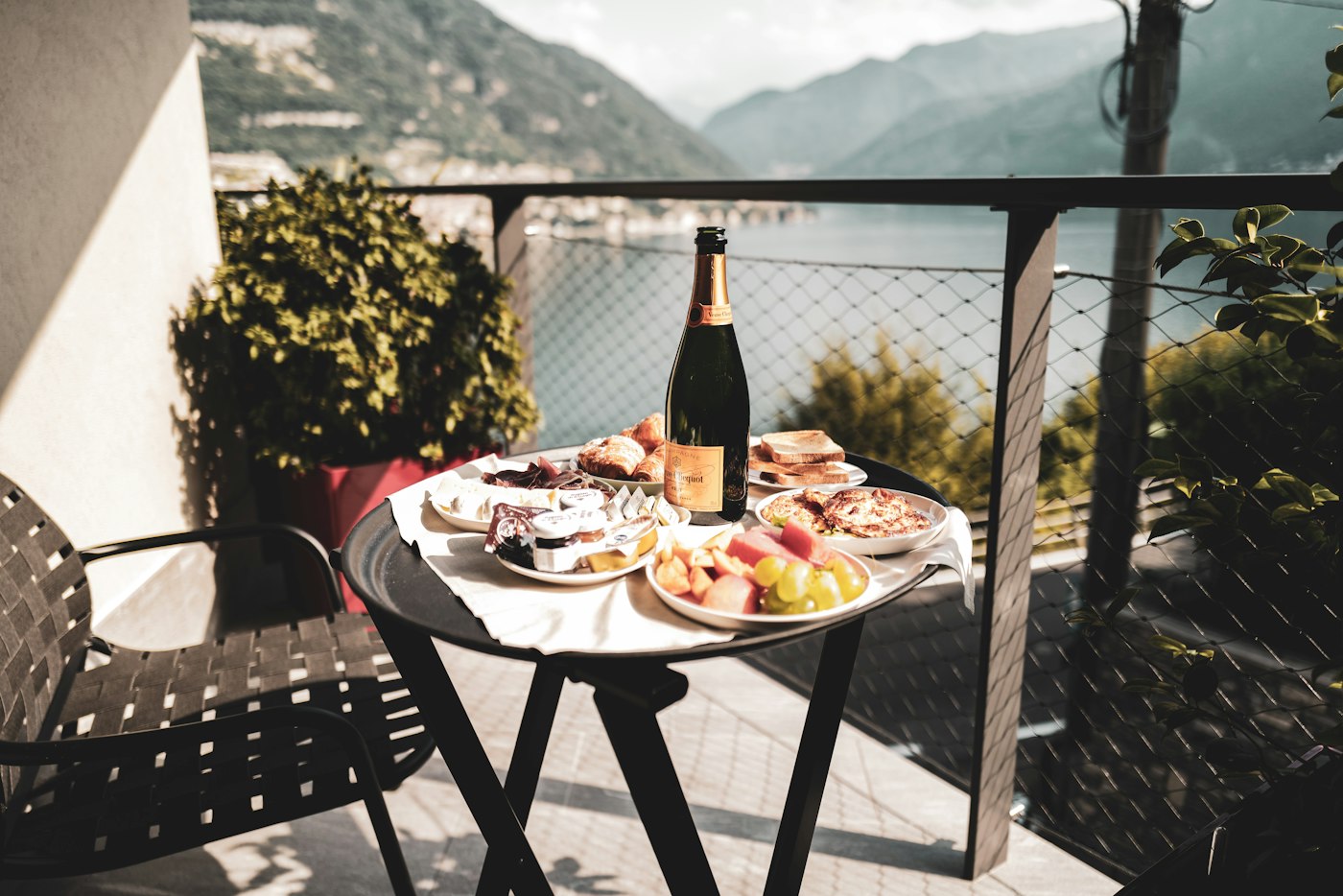
Booking portals bring plenty of guests, but you pay commission on every booking. Yet anyone who has found your property once often searches for its name too. Whether they then book directly or go back to the portal comes down to your website.
1. Make booking visible straight away
Guests look for one thing on the homepage: where to book. If they have to scroll or browse menus for it, many go back to the portal they already know. Put a booking bar (arrival, departure, number of guests) at the top of the homepage and on every room page.
2. Make it easy on a phone too
Many guests look at a property on their phone, often on the go or on the sofa in the evening. If the site is slow on a phone, the text is tiny or the booking button is hard to tap, the guest leaves. Look at your own site on your phone as if you were seeing it for the first time.
3. Pass the dates on to the booking engine
If a guest has selected dates on the website, they shouldn't have to enter them again in the booking engine. Most booking engines' public booking pages accept dates and guest numbers, so the guest sees available rooms straight away.
4. Large, genuine photos
Guests decide based on photos. Instead of small, dark or old pictures, show the rooms, breakfast, wellness area and view in large format. Your own photos are always worth more than stock images, because guests get exactly what they see.
5. Tell guests why booking direct pays off
If booking direct has an advantage (for example the best price, free parking, late check-out or a welcome drink), show it clearly next to the booking bar. If there is none, consider offering a small but genuine perk.
6. Transparent prices
Instead of “request a quote”, show indicative prices by season wherever you can, including tourist tax. Guests compare, and if they find no price on your site, they will check the portal.
7. Trust: contact details and reviews
A phone number that can be called with one tap, an email address, your address with a map and, if you have them, guest reviews from your own sources. This tells guests they are dealing with a real, reachable property.
8. Be easy to find on Google
When guests search for your property’s name, your website should be the first result, not a portal. For that you need a well-maintained Google Business Profile with the same details as your website, and a fast, well-structured site.
9. Measure what works
Check every month how many people click the booking button and where your visitors come from. This shows what brings direct bookings and what is worth improving.
See what you would get, with your own hotel
Send us your website address or the name of your property, and within 2 working days we will build a clickable concept of your new homepage. Free, with no obligation.